 Tampa Siding
 Storm Damage Roof Repair for Lutz Homes
Lutz sits in the northern part of Hillsborough County, far enough from downtown Tampa to feel rural in places but close enough to catch the same weather the whole Tampa Bay region deals with every year. That means hurricane-force wind gusts during the peak of storm season, sudden afternoon thunderstorms that drive rain sideways under roof edges, and long stretches of intense Florida sun in between. A roof out here takes a beating from more than one direction, and storm damage doesn't always look dramatic. Sometimes it's a missing shingle in the yard after a squall. Sometimes it's nothing you can see at all until a stain shows up on a ceiling weeks later.
This page covers what storm damage roof repair actually means for a home in Lutz, what we look for, and how we handle the work from the first call to the final walkthrough.
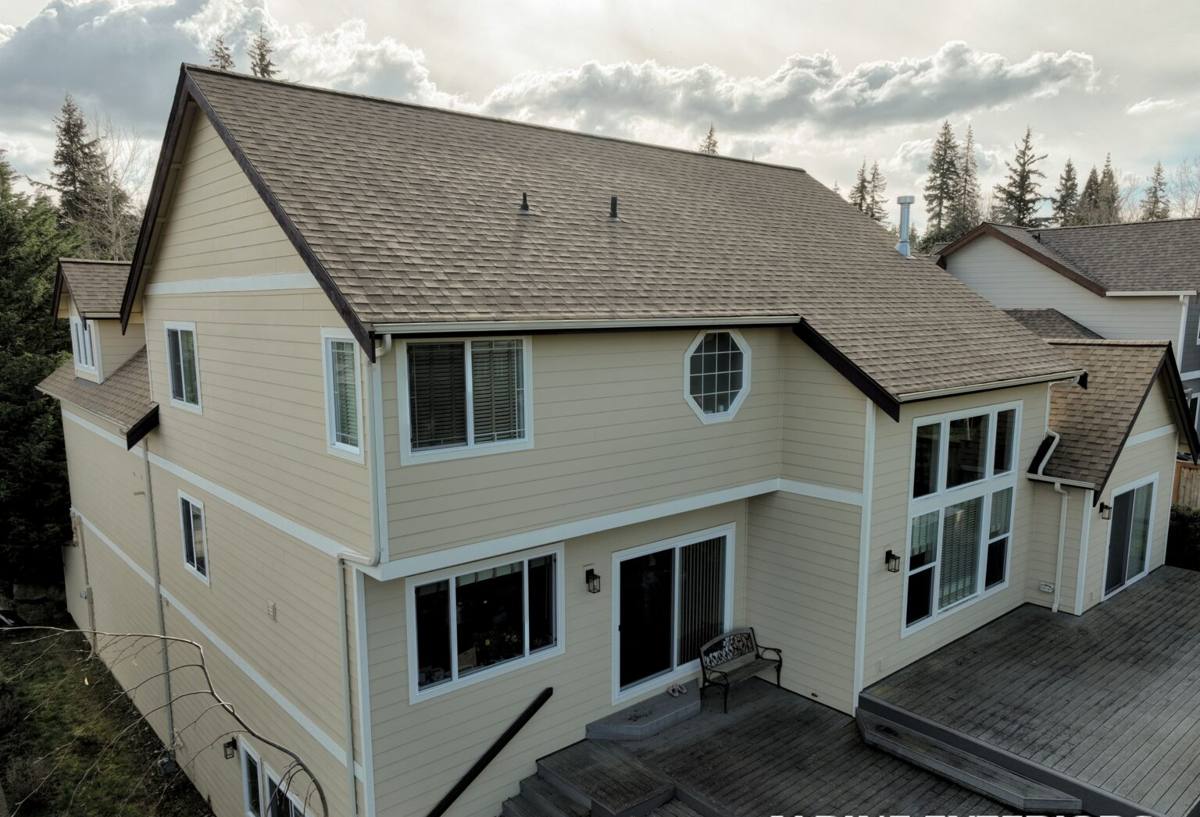
Why Lutz Roofs Take This Kind of Damage
Wind is the biggest factor. Tropical systems don't need to make a direct hit on Hillsborough County to cause damage — sustained gusts and squall lines well ahead of a storm's center can lift shingles, work flashing loose, and push rain into places it was never meant to go. Older roofs, or roofs with a section of aging or under-fastened shingles, are the most vulnerable.
Wind-driven rain is the second factor, and it's often the more damaging one because it's harder to notice. Rain that comes in nearly horizontal during a storm can get up under shingle tabs, around vent boots, and into valleys that would shed a normal rain shower just fine. That water doesn't always show up as a drip right away — it can travel along the decking or truss framing before it ever reaches a ceiling.
Then there's year-round UV exposure and heat cycling. Central Florida sun bakes asphalt shingles and dries out their oils faster than in most parts of the country, which makes an aging roof more brittle and more likely to crack or lose granules when wind stress hits it. And while Lutz is inland compared to coastal Tampa Bay communities, the broader region still deals with salt-laden air moving in off the Gulf, which can accelerate corrosion on exposed metal flashing, fasteners, and vent stacks over time — a slower factor than wind or rain, but one that adds up.
What This Looks Like in Practice
On a typical Lutz storm-damage call, we're usually looking at some combination of the following:
- Shingles that are cracked, curled, creased, or torn loose from wind uplift
- Flashing around chimneys, skylights, or roof-to-wall transitions pulled away or bent
- Vent boots and pipe collars cracked or knocked loose, letting water track in around the pipe
- Granule loss in valleys and along ridge lines from wind-driven debris and rain
- Soffit or fascia damage from wind pressure or falling limbs
- Soft spots or staining on decking found only once shingles are pulled back
Damage You Can See vs. Damage You Can't
Most homeowners call us after finding an obvious sign — a shingle in the driveway, a ceiling stain, or a neighbor mentioning they saw something come loose during the last storm. Those are useful clues, but they're not the whole picture. A roof can pass a glance from the ground and still have real problems.
Signs Worth a Second Look
Granule buildup in gutters after a storm, a slightly uneven shingle line along a slope, or a musty smell in an attic space are all worth having checked out even if there's no visible leak yet. Storm damage that goes unrepaired doesn't stay the same size — a small opening around a vent boot or a lifted shingle tab gets worse with every subsequent rain, and by the time it's obvious indoors, the decking underneath has often been wet for a while.
What a Correct Storm Repair Actually Involves
Storm repair isn't just swapping out the shingles that are missing. Done right, it starts with figuring out the actual extent of the damage, not just the part that's visible.
Inspection First
We walk the roof (not just look at it from the driveway) and check the decking, underlayment, flashing, and ventilation components in the affected area, not only the spot where the damage is obvious. Wind and wind-driven rain rarely limit themselves to a single shingle — if one section got hit hard enough to tear loose, the surrounding area usually took some stress too, even if it's still holding on for now.
Matching Materials, Not Just Patching Holes
Where shingles need replacing, we match the existing material as closely as possible in type, profile, and color so the repair doesn't stand out as a patch job. If the original shingles are old enough that an exact match isn't available, we'll tell you that up front and talk through the options rather than installing something that clashes.
Fixing What's Underneath, Not Just What's on Top
If underlayment or decking got wet or damaged, that gets addressed before new shingles go back down — not covered over. Reflashing damaged areas properly, rather than just sealing over old flashing with caulk, is part of doing the repair once instead of coming back to redo it in a year.
Emergency Tarp-Over vs. Permanent Repair
When a roof has active damage letting water in, the first priority is stopping further water intrusion, not doing the full permanent fix on the spot — especially if it's still storm season and more weather is on the way. A proper temporary tarp-over, secured correctly, buys time to do the real repair right instead of rushing it. We'll always be clear with you about which stage you're getting: temporary protection now, permanent repair scheduled next, with nothing left ambiguous about what still needs to happen.
Typical Repair Scope and Cost Factors
Every storm-damaged roof is different, but repairs generally fall into a few tiers based on how much of the roof was affected and what's underneath the surface damage. The table below is a general guide, not a quote — the only way to know your actual scope and cost is an on-site look.
| Repair Scope | What's Typically Involved | Rough Cost Range |
|---|---|---|
| Localized patch repair | A handful of shingles, one flashing point, or one vent boot | $300 – $1,200 |
| Multi-area repair | Several damaged sections, some decking replacement, reflashing | $1,200 – $6,000 |
| Partial roof replacement | One or more full slopes affected, widespread underlayment failure | $6,000 – $18,000+ |
| Full roof replacement | Age plus storm damage make repair impractical or not cost-effective | Varies by size, pitch, and material |
Roof size, pitch, material type, and how much decking needs replacing all move these numbers. We'll walk you through exactly what's driving your estimate rather than handing you a number with no explanation behind it.
How Our Process Works
Storm damage calls move differently than a routine roof job, and homeowners are usually dealing with some stress on top of the roof problem itself. Here's what to expect:
- Initial call and scheduling — we get basic details about what happened and when, and get a visit on the calendar, prioritizing active leaks.
- On-site inspection — we get up on the roof, document the damage with photos, and check beyond the obvious spot.
- Written scope and estimate — you get a clear explanation of what's damaged, what needs to happen, and roughly what it costs, before any work starts.
- Emergency mitigation if needed — tarping or temporary sealing to stop ongoing water intrusion.
- Permanent repair — the actual fix, done to match your existing roof and to code.
- Final walkthrough — we go over the completed work with you before we consider the job done.
Working With Insurance Claims
A lot of storm repair work in Hillsborough County involves an insurance claim, and we understand how that process fits into the repair timeline. We're not public adjusters and we won't promise a claim outcome — that's between you and your insurer — but we do provide clear photo documentation and a detailed scope of the damage and repair, which is exactly what most adjusters need to see. If you're unsure whether damage is claim-worthy, it's worth getting it looked at before deciding either way.
Why a Local Lutz Crew Matters
Storm repair isn't a job you want to hand to whoever shows up fastest with a truck full of shingles after a bad weather week — and after any significant storm, that's exactly who tends to show up in Florida neighborhoods, working the area for a few weeks and then gone. A crew that's actually based in the Tampa area and familiar with Hillsborough County permitting, local wind-mitigation requirements, and the roofing profiles common in Lutz neighborhoods is going to get the repair right the first time and be reachable afterward if a question comes up.
We're also simply faster to respond when it's a neighborhood we already work in regularly, which matters most when there's active water intrusion and every day of delay adds risk to the decking and interior of the home.
Reducing Future Storm Damage
Some storm damage is unavoidable — you can't stop a tropical system from pushing through Central Florida. But a few habits lower the odds of major damage and catch small problems before a storm turns them into big ones:
- Have the roof inspected before hurricane season each year, not just after a storm
- Trim back tree limbs that overhang the roofline
- Keep gutters clear so wind-driven rain has somewhere to go
- Address minor flashing or sealant issues promptly rather than waiting
- Know your roof's age and material — an older roof nearing the end of its service life is more vulnerable to wind uplift even in moderate storms
If your Lutz home has visible or suspected storm damage, or you just want a professional set of eyes on the roof after the last round of weather, we're glad to take a look. Fill out the form below for a free, no-pressure estimate.