 Tampa Siding
 Windows Work Harder in New Tampa's Climate
New Tampa has grown fast, and a lot of the housing stock spans several decades of construction standards, window technology, and builder-grade materials. Whatever the vintage of a home here, its windows are dealing with the same combination of stresses: hurricane-force wind events, sun exposure that runs close to year-round, wind-driven rain that finds any gap in a seal, and salt-laden air that drifts inland from the Gulf and Tampa Bay and slowly works on metal hardware and fasteners. None of that shows up overnight. It shows up as a window that used to lock tight and now doesn't, glass that's gone cloudy between the panes, or a frame that lets in daylight around the edges during a storm.
Window installation is one of those jobs that looks straightforward from the outside and is actually a sequence of small decisions — flashing details, fastening patterns, sealant choice, shimming — that determine whether a window performs for twenty years or starts failing in five. In a climate like Hillsborough County's, those details matter more than they would somewhere mild and dry.
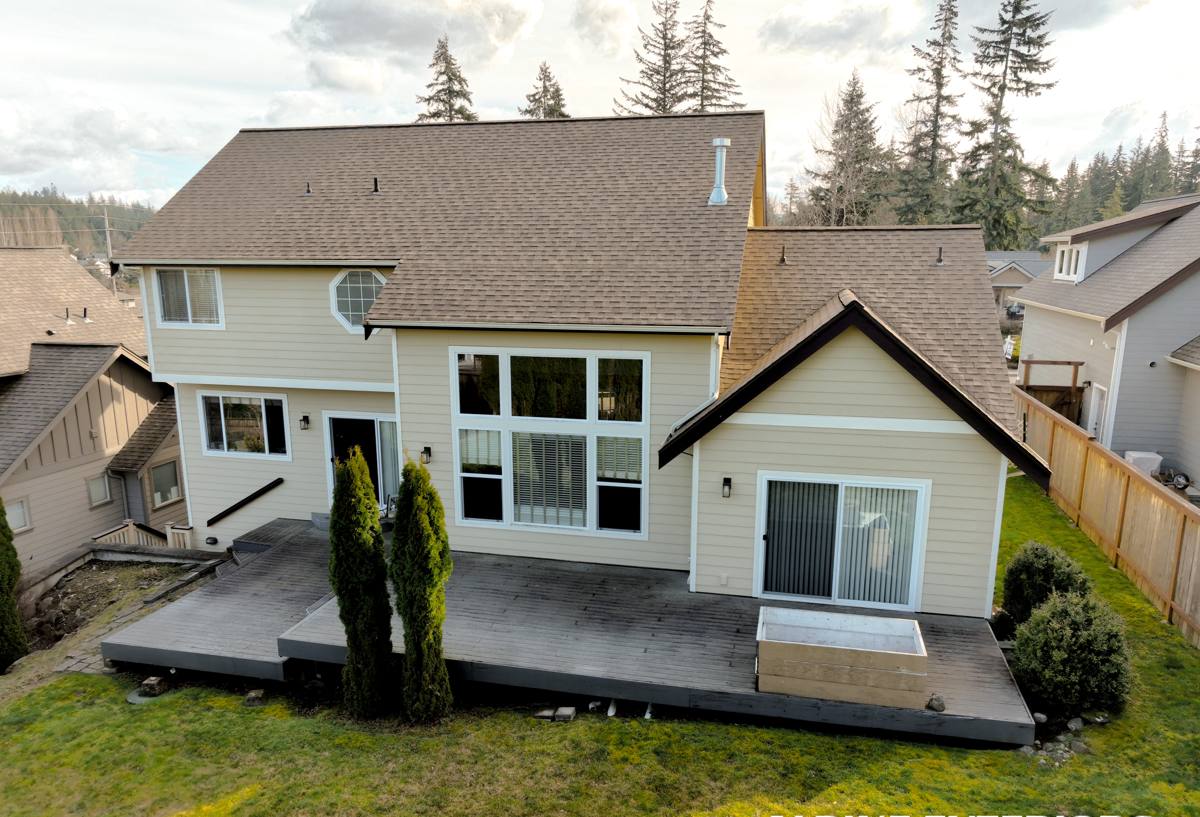
What New Tampa Homes Need From Their Windows
Wind and Impact Resistance
Florida Building Code sets wind-load requirements based on your specific property — location, exposure, and structure type all factor in, and requirements can differ from one subdivision to the next even within New Tampa. Some homes here are built to accept impact-rated glass or approved shutter systems; others meet code with standard glazing rated for the local wind pressures. We don't guess on this. Part of a correct installation is confirming what your address actually requires before we order product, not after.
Heat and UV Control
Central Florida sun is intense and consistent, and it's hard on window components in ways that aren't always visible. UV exposure breaks down vinyl over time, degrades certain sealants faster than the manufacturer's stated lifespan, and can shorten the life of low-quality low-E coatings. It also drives cooling costs — a poorly performing window lets heat gain through the glass and around a loose frame, and your air conditioner runs to compensate. Glass package and frame material both affect how much of that heat actually gets into the house.
Moisture and Humidity Management
Wind-driven rain during Florida's storm season doesn't behave like a normal rain shower — it comes in sideways and finds any weak point in flashing or sealant. Add in year-round humidity, and a window that isn't properly flashed and sealed becomes a slow path for water intrusion, which shows up later as stained drywall, soft trim, or mold behind a wall you can't see. Correct flashing and sealant work at installation is cheaper than any of those repairs.
Signs It's Time to Replace, Not Just Repair
Not every window problem calls for full replacement. But there's a point where patching stops making sense. Common signs we see in New Tampa homes include:
- Fogging or a permanent haze between panes of double-pane glass — the seal has failed and the gas fill is gone
- Frames that are soft, discolored, or visibly warped, especially at the bottom corners
- Windows that are hard to open, close, or lock, or that don't sit flush in the frame anymore
- Visible daylight or a draft around the frame when the window is fully closed
- Condensation forming on the inside of the glass regularly, even when humidity indoors is normal
- Noticeable outside noise that seems louder than it used to, suggesting the seal has degraded
- A jump in cooling costs without any other explanation
One or two of these on an isolated window might mean a repair or resealing job is enough. Several of them across the house, or on a window older than 15–20 years, usually means replacement is the more honest recommendation.
What a Correct Window Installation Actually Involves
Removal and Opening Prep
The old window and any failed or original flashing comes out, and the rough opening gets inspected for rot, water damage, or framing issues before anything new goes in. This step gets skipped by crews in a hurry, and it's the step that determines whether the new window is going into a sound opening or a compromised one.
Flashing and Weather Barrier Integration
Flashing tape and drainage details need to tie into the home's existing weather-resistive barrier correctly, with proper overlap and sequencing so water sheds outward instead of getting trapped behind the siding or stucco. This is the single most common place where cheap installations fail — not the window itself, but the flashing around it.
Fastening, Shimming, and Sealing
The window has to be set plumb, level, and square, shimmed correctly so it isn't relying on the fasteners alone to hold its shape, and fastened per the manufacturer's schedule — which matters for wind-load performance, not just cosmetics. Sealant goes on the exterior in the right locations, and the interior gets insulated and finished without gaps.
Interior and Exterior Finish
Trim, caulking, and touch-up work finish the job. A window installation isn't done when the glass is in — it's done when the opening is weathertight, operates smoothly, and looks finished inside and out.
Our Process From Estimate to Cleanup
- On-site assessment. We look at each window opening individually — condition, wind-load requirement, and any framing or moisture issues — before recommending anything.
- Product selection. We walk through frame material, glass package, and impact vs. standard glazing based on what your home actually needs and your budget.
- Written estimate. Scope, product, and price in writing before any work is scheduled — no surprises added later.
- Install day. Openings are protected, old windows are removed and disposed of, new units are set, flashed, sealed, and finished in the same visit for most homes.
- Walkthrough and cleanup. We check operation on every window with you before we leave, and the site is cleaned up — no scrap glass or packaging left behind.
Choosing the Right Window for a New Tampa Home
There isn't one correct answer for every house — it depends on your budget, whether the home is in a wind-borne debris area, and how much you value lower maintenance versus lower upfront cost. Here's how the common options generally compare:
| Option | Best For | Trade-Offs |
|---|---|---|
| Standard vinyl, non-impact | Budget-conscious replacements where code allows it | Requires separate storm protection (shutters/panels) before a storm |
| Impact-rated vinyl or aluminum | Homes wanting permanent storm protection with no shutter routine | Higher upfront cost; heavier glass adds weight to the frame |
| Aluminum frame | Larger openings, more contemporary homes | Conducts heat more than vinyl unless thermally broken |
| Low-E / tinted glass package | Reducing cooling load and UV fading indoors | Slightly higher cost; can marginally change glass appearance |
We don't install every product on the market, and that's intentional. We stick to windows and glass packages that hold up to the specific combination of sun, humidity, and wind this area sees, and that we're confident standing behind under warranty. A product that looks fine in a showroom in a different climate isn't automatically a good fit for a Hillsborough County exterior.
Permits and Code — Why It Matters Here
Window replacement in this area typically requires a permit, and inspectors are checking for the same things that determine whether the installation will actually perform: correct fastening, flashing, and product approval matching your wind-load requirement. Skipping the permit might save a few days upfront, but it can create real problems later — at resale, with insurance claims after a storm, or if work needs to be reinspected. We handle permitting as a standard part of the job, not an upsell.
Why a Crew That Already Works New Tampa Makes a Difference
A lot of what separates a good window installation from a mediocre one isn't the product — it's the details a crew has already learned from doing this work locally. That means knowing what local permitting offices expect on submittals, understanding the wind-load and product-approval requirements that actually apply in this part of Hillsborough County, and having seen how different flashing and siding combinations in New Tampa neighborhoods behave over a few storm seasons. A crew installing windows here for the first time is learning that on your house. A crew that already works this area isn't.
What to Ask Before You Hire
- Are you licensed and insured for window installation in Florida, and can you provide proof?
- Will you pull the required permit, or is that left to me?
- What wind-load rating does this specific opening require, and how did you determine that?
- What's included in the manufacturer's warranty versus your installation warranty?
- How do you handle flashing and sealing around the opening — walk me through it?
- What's the realistic timeline, from order to install day?
A contractor who answers these clearly and specifically, without dodging the flashing and permitting questions, is usually one worth hiring.
If your windows are showing their age, fogging, or just costing you more to cool the house than they should, we're happy to take a look and give you a straightforward, no-pressure estimate — use the form below to get started.