 Tampa Siding
 Why Siding Wears Out Faster in Riverview
Riverview sits in Hillsborough County, close enough to Tampa Bay that salt-laden air reaches homes even a good distance inland, and squarely in the path of the same summer storm cycles that batter the rest of the greater Tampa area. That combination is hard on exterior siding in ways that homeowners who move here from cooler, drier climates don't always expect. Intense, near-daily UV exposure breaks down paint films and cheaper composite materials over years, not decades. Wind-driven rain during summer storms and tropical systems pushes moisture into seams, laps, and fastener points that weren't sealed correctly the first time. And when a hurricane or tropical storm does bring sustained high winds, siding that wasn't installed to the fastening schedule the product actually requires is what ends up peeling off, cracking, or letting water behind it.
None of this means every home in Riverview needs new siding right now. It means that when siding does fail here, it usually fails for climate reasons, and the replacement needs to be specified and installed with that climate in mind, not treated as a generic re-side.
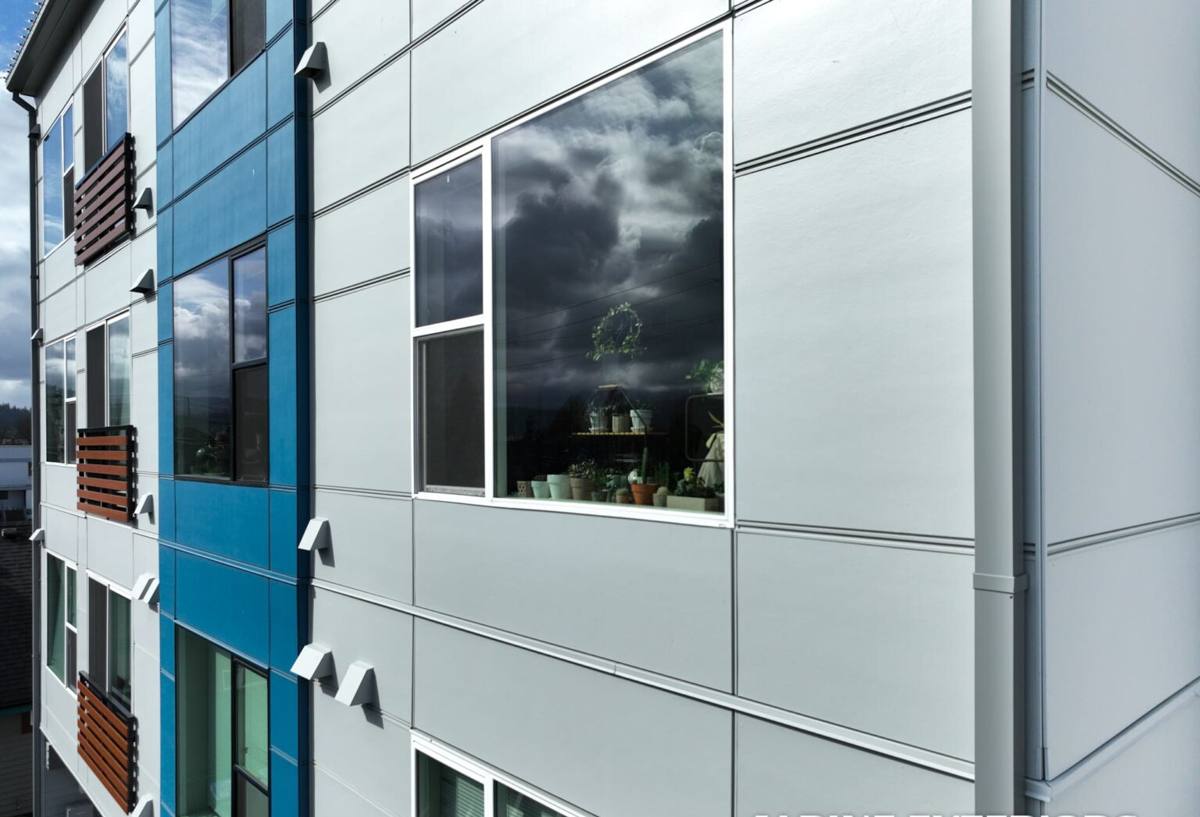
Signs Your Riverview Home May Need Siding Replacement
Some damage is obvious. Some isn't visible until you know what to look for. A quick self-check before calling anyone can save you a wasted inspection visit and help you describe the problem accurately.
- Visible cracking, warping, or bowing panels, especially on the south and west-facing walls that take the most direct sun
- Soft or spongy spots when you press on the siding, which usually means moisture has gotten behind it and is rotting the substrate
- Paint that's peeling, chalking, or fading noticeably faster on one side of the house than the others
- Gaps opening up at seams, corners, or around window and door trim
- Rising utility bills with no other obvious cause, which can point to siding no longer sealing the wall assembly properly
- Visible mold, mildew, or dark streaking that keeps coming back no matter how often it's cleaned
- Siding that flexed or partially detached during the last significant windstorm, even if it was pushed back into place afterward
Any one of these on its own might just need a repair. Several at once, especially on a home more than 15-20 years old, usually means the siding system as a whole is at the end of its useful life.
New Construction vs. Older Homes in Riverview
Riverview has grown fast, and that creates two very different situations we run into on siding replacement calls. In newer subdivisions, a lot of homes were built with entry-level or builder-grade siding chosen to hit a construction budget, not to perform for 30+ years in a coastal-adjacent climate. Those homes can start showing real wear well before you'd expect for their age. In older, established parts of Riverview and the surrounding unincorporated areas, you'll find homes with siding that's simply outlived its rated lifespan, sometimes after one or more prior repairs that patched symptoms without addressing water intrusion at the source.
Either way, a proper replacement starts with understanding why the original siding failed, not just matching what's already there. If the underlying issue was moisture management, a new layer of the same type of product installed the same way will fail again on the same timeline.
What a Correct Replacement Actually Involves
Siding replacement isn't just removing old panels and nailing up new ones. Done right, it includes:
- Full removal of old siding and inspection of the wall sheathing underneath for rot, delamination, or prior water damage
- Repair or replacement of any compromised sheathing before new siding goes up, not siding over a hidden problem
- A correctly installed weather-resistive barrier, lapped and sealed to shed water down and out, not trap it
- Proper flashing at every window, door, and roofline penetration, since these are the points where wind-driven rain gets in
- Fastening to the manufacturer's specified pattern and into solid framing, sized for local wind-load requirements
- Correct clearances at grade, decks, and roof lines so water and debris don't sit against the bottom course of siding
Skip any one of these steps and the new siding may look fine for a year or two while the same underlying vulnerability sits there waiting for the next big storm.
Why We Install Only James Hardie Fiber Cement
We've made a deliberate decision not to install vinyl siding, LP SmartSide, or other engineered wood and composite products, even though they're common in this market and often cheaper up front. In a climate like Hillsborough County's, those trade-offs show up faster than they would somewhere with milder sun and less storm exposure. Vinyl can warp and become brittle under sustained UV and heat, and it isn't rated for the wind speeds this region can see. Engineered wood products are more susceptible to moisture-related swelling and edge deterioration if any water gets past the finish, which is a real risk during a Florida wet season.
James Hardie fiber cement doesn't have those same vulnerabilities. It's non-combustible, dimensionally stable in heat and humidity, and manufactured in HardieZone HZ5 formulations specifically engineered for hot, humid, storm-prone climates like Tampa's. The ColorPlus factory finish is baked on under controlled conditions, which holds color and resists fading far better than field-applied paint exposed to year-round Florida UV. It's backed by a long, transferable manufacturer warranty on the material itself. We standardized on it because it's the product we're comfortable putting our name behind on a Riverview roofline that's going to face the next twenty summers of sun and the next hurricane season, whichever comes first.
Our Siding Replacement Process
The steps are the same on every job, though the timeline shifts depending on home size, siding condition, and permitting.
- On-site inspection — we look at the current siding, the wall assembly where accessible, and any trouble spots you've noticed, and give you a straight answer on whether replacement is actually needed.
- Written estimate — a clear scope and price, specifying the exact Hardie product line, profile, and color, with no vague allowances.
- Permitting — siding replacement in Hillsborough County generally requires a permit; we handle the application and inspections so you don't have to chase it down.
- Removal and inspection — old siding comes off, and we document any sheathing or framing issues found before covering them back up.
- Weather barrier and flashing — installed and sealed before a single new panel goes up.
- Hardie installation — fastened to spec, with attention to fastening pattern, clearances, and trim details.
- Final walkthrough — we go over the finished work with you before calling the job done.
What Siding Replacement Typically Depends On
Every home is different, but the same handful of factors drive most of the cost variation we see on Riverview jobs.
| Factor | Why It Matters |
|---|---|
| Home size and wall area | More square footage means more material and labor, the largest single driver of total cost |
| Number of stories | Two-story homes require more scaffolding, staging, and safety setup than single-story ranches |
| Condition of the sheathing underneath | Rot or water damage found during tear-off adds repair scope before new siding can go on |
| Siding profile and trim complexity | Lap siding, board-and-batten, and shake-style accents each install differently, and detailed trim work takes more time |
| Number of windows, doors, and roof intersections | Each one needs proper flashing and trim, adding labor beyond flat wall area |
| Access around the home | Tight side yards, fencing, or landscaping close to the walls can slow staging and cleanup |
We walk through these factors during the estimate so the number you get reflects your specific home, not a generic per-square-foot guess.
Why Local Experience in Riverview Matters
A crew that already works this side of Hillsborough County knows the practical realities that don't show up in a spec sheet: which permitting timelines to expect from the county, how HOA architectural review works in some of Riverview's newer communities, and what kind of wind and moisture exposure a given lot orientation actually sees. That familiarity shortens the path from estimate to a finished, inspected job, and it means fewer surprises mid-project. It also means we're not guessing at how James Hardie's HZ5 products perform here — we're installing them in this climate on a regular basis and standing behind that work locally, not from across the state.
If your Riverview home's siding is showing wear, or you're just trying to figure out whether repair or full replacement makes more sense, we're glad to take a look and give you a straight, no-pressure answer. Fill out the form below for a free estimate.