 Tampa Siding
 Seminole Heights Backyards Deserve a Deck Built for Tampa Weather
Seminole Heights is one of Tampa's older, close-in neighborhoods — a mix of restored bungalows, mid-century houses, and newer infill, most sitting under mature oak canopy on lots that were laid out long before modern drainage standards existed. A deck here has to do two things at once: fit a house that's often decades old, and survive a climate that doesn't ease up. Between Gulf humidity, the summer thunderstorm pattern, and the hurricane-force winds Tampa Bay can funnel inland during storm season, an outdoor structure that isn't built specifically for this environment will show its age fast — cupped boards, rusted fasteners, a railing that's gone soft at the post base within just a few seasons.
This page is about one job in one neighborhood: building decks in Seminole Heights that are engineered, fastened, and finished for the conditions Hillsborough County actually throws at them, not generic construction pulled from a plan book written for a drier, calmer climate.
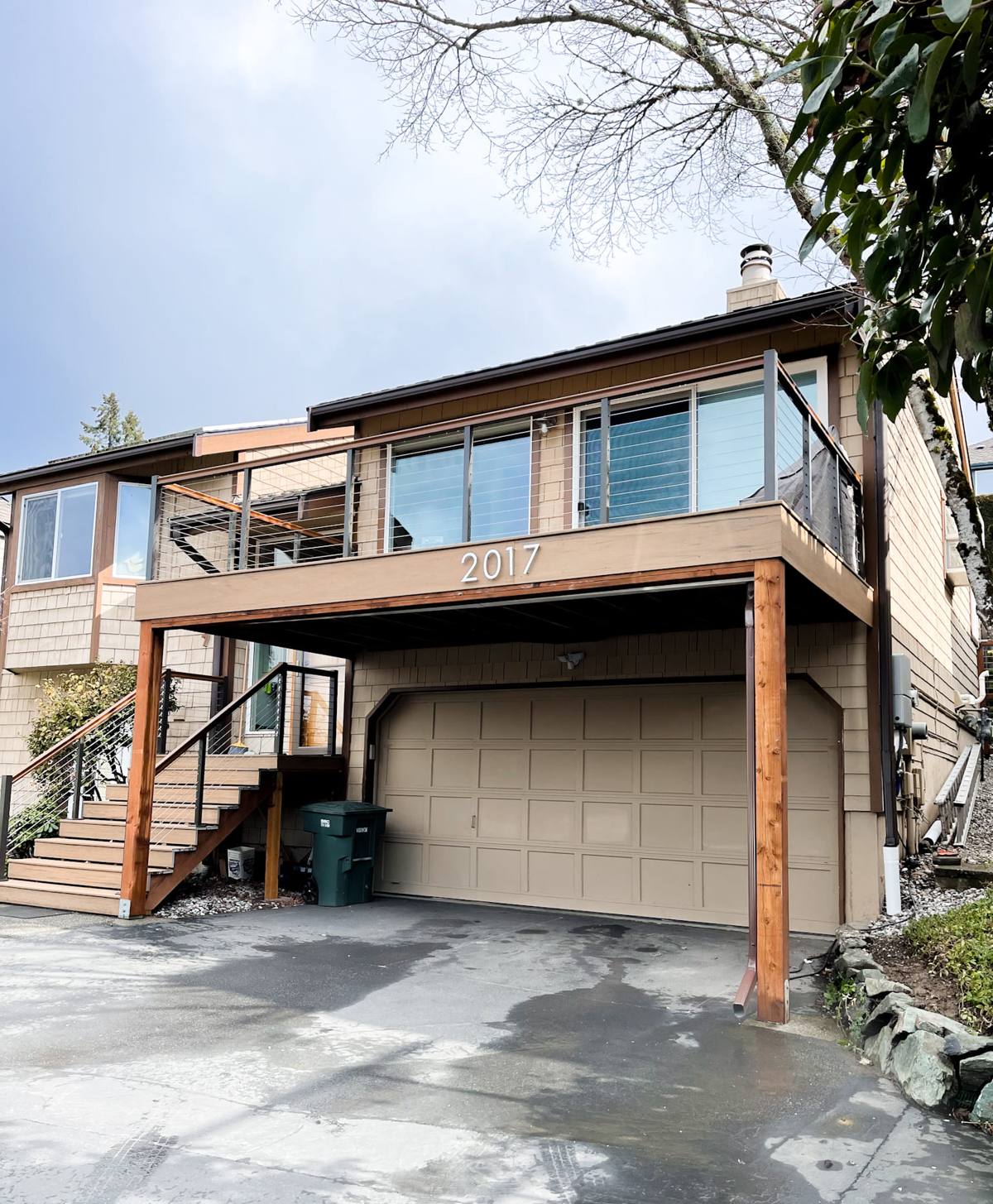
What Tampa's Climate Actually Does to an Outdoor Deck
Year-Round UV
Florida sun is stronger and more consistent than most of the country sees even in peak summer. Wood decking without the right finish schedule grays and splinters within a year or two. Composite boards that aren't UV-stabilized fade unevenly, especially on the side of the deck that gets full afternoon exposure. Even hardware and railing systems can chalk or degrade faster than their spec sheets suggest once they're living in constant Florida sun rather than a lab.
Wind-Driven Rain and Humidity
Tampa doesn't just get rain — it gets rain pushed sideways by wind, which finds its way into joints, ledger connections, and post bases that would stay dry in a calmer climate. Combine that with year-round humidity and you get the conditions that rot untreated wood from the inside and trap moisture against fasteners that aren't rated for it. Most deck failures we see aren't from one big storm; they're from years of moisture getting into a connection point that was never properly flashed or sealed.
Hurricane-Force Wind Loads
A deck is a structure, and in this part of Florida it has to be designed to handle real wind loads, not just support foot traffic and furniture. Railing posts, ledger attachments, and footing depth all need to account for uplift and lateral load during storm season — this isn't optional detailing, it's the difference between a deck that rides out a bad storm and one that doesn't.
Salt Air
Tampa's proximity to the bay means salt-laden air travels further inland than people expect, even into neighborhoods that don't feel coastal. Salt air accelerates corrosion on any hardware that isn't rated for it — screws, joist hangers, bolts, and railing brackets can start rusting from the inside out long before the surface shows anything, which is exactly why fastener selection matters as much as lumber selection on a job like this.
Choosing the Right Decking Material for a Seminole Heights Lot
There's no single "best" decking material — there's a best material for your budget, your maintenance appetite, and how much sun and moisture your specific yard sees. Here's how the common options actually compare once you account for Tampa's climate rather than a generic sales pitch:
| Material | Upfront Cost | Maintenance | Heat Underfoot | Moisture/Rot Resistance | Realistic Lifespan Here |
|---|---|---|---|---|---|
| Pressure-treated pine | Lowest | Annual sealing/staining | Moderate | Fair — depends entirely on upkeep | 10-15 years with consistent maintenance |
| Tropical hardwood (e.g. ipe-type) | High | Periodic oiling to hold color | Lower than composite | Very good naturally | 20-25+ years |
| Capped composite | Mid-high | Occasional washing, no sealing | Can run hot in direct sun | Excellent, doesn't rot or splinter | 25-30 years |
| PVC decking | Highest | Lowest of all options | Similar to composite | Excellent, fully moisture-immune | Manufacturer-backed, typically 25+ years |
Our honest take: for a Seminole Heights backyard with real sun exposure and humidity, we steer most homeowners away from uncapped composite or bargain-tier wood, not because they can't work, but because the maintenance burden and moisture behavior in this specific climate rarely match what the upfront savings promise. We'll walk you through the real trade-offs for your yard rather than push whatever has the best margin.
What a Correctly Built Deck Structure Actually Involves
The decking surface is what you see; the structure underneath is what determines whether the deck is still safe and level in ten years. In this climate, a few details matter more than they would somewhere drier and calmer:
- Footing depth and sizing matched to local soil conditions and the load the deck will actually carry — not the minimum a plan set allows.
- Ledger board flashing that fully sheds wind-driven rain away from the house wall, since a poorly flashed ledger is one of the most common sources of hidden rot.
- Corrosion-resistant fasteners and hardware — stainless or coated hardware rated for coastal-influenced air, not standard hardware that starts rusting within a season or two.
- Joist hangers and hurricane connectors sized for wind uplift, not just gravity load, so the structure resists lateral and upward force during storm season.
- Proper joist spacing and blocking for the decking material chosen, since composite and PVC often require tighter spacing than solid wood.
- Railing posts anchored into the structural frame, not just face-screwed to rim joists, which is a common shortcut that fails under real lateral load.
None of this is visible once the deck is finished, which is exactly why it's worth asking any contractor to walk you through their framing and fastener choices before work starts, not after.
Permitting for a Deck in Tampa
Seminole Heights sits inside Tampa city limits, so a new deck typically goes through the City of Tampa's building permit process rather than the county directly, though Hillsborough County's regional wind-load and flood requirements still factor into the engineering. Depending on the size, height, and attachment method, a permit usually involves a site plan, a structural detail showing footings and connections, and inspections at the footing stage, the framing stage, and final completion. Skipping permitting isn't just a legal risk — it also means no third party ever checked that the footings, flashing, and hardware were actually done correctly, which matters a lot more here than in a mild climate.
What We Handle for You
We pull the permit, schedule the inspections, and build to what the inspector will actually be checking for — footing depth, connection hardware, and attachment to the house — so there are no surprises partway through the build.
Our Deck Building Process
- On-site consultation. We walk your yard, talk through how you'll use the space, look at sun exposure and drainage, and discuss material options honestly.
- Design and proposal. You get a clear layout, material recommendation, and pricing before anything is ordered — no vague allowances that turn into surprise change orders.
- Permitting. We prepare and submit what the city requires and schedule inspections around the build timeline.
- Site prep and footings. Footings are sized and placed for both load and local soil conditions, then inspected before framing continues.
- Framing. Ledger flashing, joist layout, and hardware go in to the standard the structure needs to actually hold up here, not the minimum that passes inspection.
- Decking, railing, and finishing. Boards, railings, stairs, and any lighting or finishing details are installed and squared up.
- Final walkthrough and inspection. We go over the finished deck with you, cover any maintenance needs specific to the material you chose, and close out the permit.
Maintaining a Deck in a Tampa Climate
Even a well-built deck needs some seasonal attention here. A simple annual check goes a long way toward catching small issues before they become expensive ones:
- Inspect fasteners and hardware for rust or corrosion, especially at ledger and post connections.
- Check for soft spots, cupping, or splintering on wood decking and reseal on schedule.
- Look underneath the deck for signs of moisture pooling or standing water after heavy rain.
- Trim back overhanging branches so leaves and debris don't trap moisture against the boards.
- Wash composite or PVC decking periodically to prevent mildew buildup in humid months.
- Test railings and stair connections for any looseness after storm season.
- Clear gutters and downspouts near the deck so runoff isn't draining directly onto or under it.
Why Hiring a Crew That Already Works Seminole Heights Matters
A deck built by someone unfamiliar with this neighborhood and this climate is a guess dressed up as a plan. A crew that already works in Seminole Heights knows how the older housing stock here is typically framed, how the tree canopy and lot drainage on these blocks tend to behave, and what the City of Tampa's permitting office actually expects to see on a submission — which means fewer delays and fewer surprises. It also means the material and hardware choices aren't theoretical; they're based on watching how decks in this exact area actually hold up against Tampa's UV, humidity, and storm season year after year, not just what a manufacturer's spec sheet claims in ideal conditions.
Get a Straight Answer for Your Yard
Every lot in Seminole Heights is a little different — sun exposure, drainage, tree cover, and how the house itself is built all affect what a deck needs to hold up long-term. If you're planning a new deck or replacing one that's failing, we'd rather walk the site and give you a straight, no-pressure assessment than sell you a generic package. Fill out the form below or give us a call, and we'll set up a time to look at your yard and talk through what a properly built deck for this climate actually involves.