 Tampa Siding
 Why Siding Replacement Works Differently in Carrollwood
Carrollwood sits inland from Tampa Bay, which spares it from storm surge but not from much else. The community still takes the full brunt of hurricane-force winds, wind-driven rain, and the kind of relentless, humid Florida sun that breaks down building materials year-round. Add in the salt-tinged air that drifts inland across Hillsborough County during onshore flow, and you have a climate that is genuinely hard on exterior siding, regardless of how sheltered a particular street or lot feels.
Homes here also tend to carry mature tree canopy and established landscaping, which is a mixed blessing for siding. Shade keeps interiors cooler, but it also keeps siding damp longer after summer thunderstorms and creates more debris impact during high wind events. A siding replacement in Carrollwood has to account for both extremes: baking sun on the exposed sides of a house and prolonged moisture on the shaded sides, sometimes on the same wall depending on the time of day.
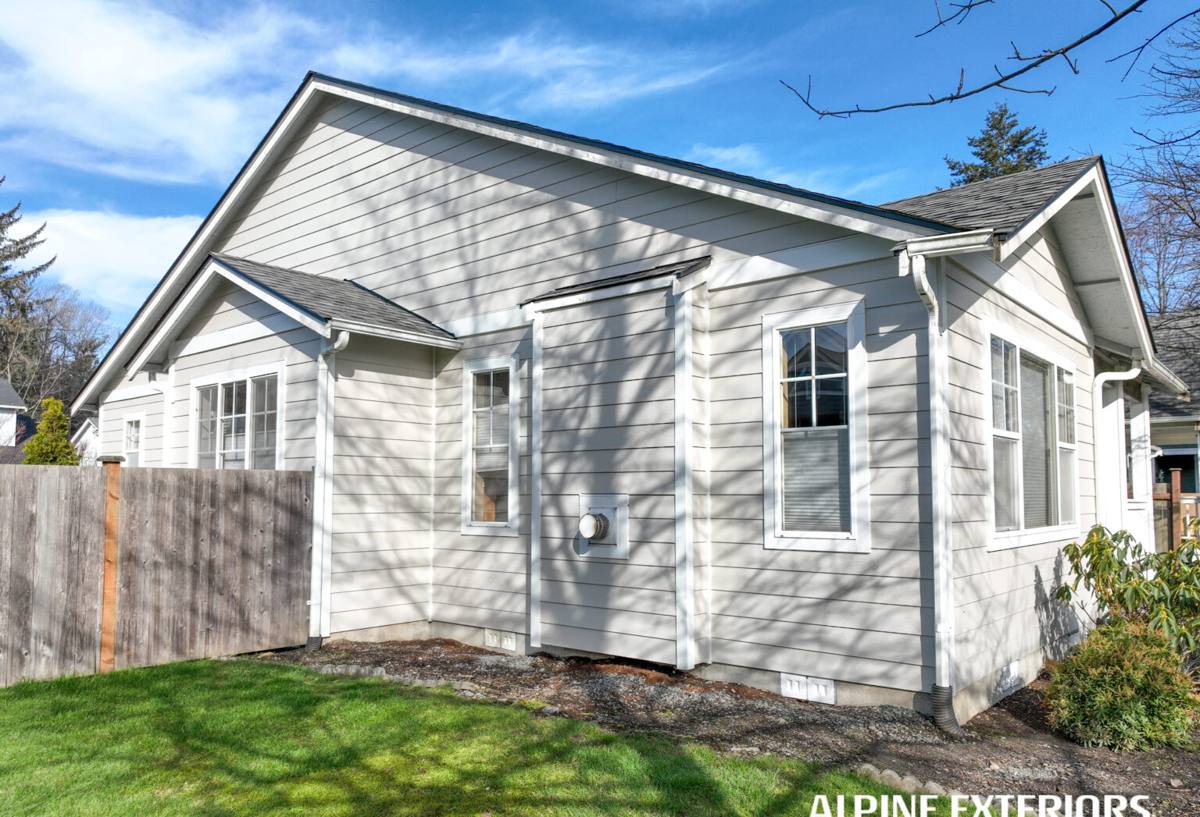
Signs a Carrollwood Home Needs Replacement, Not Just Repair
Not every siding problem calls for a full tear-off. But there's a point where patching becomes throwing money at a system that's already failed. Homeowners in this area should watch for:
- Soft or spongy spots when you press on the siding, especially near the bottom courses and around window and door trim
- Visible board buckling, warping, or separation at the seams after a hot, humid stretch
- Paint that won't hold — repeated peeling or bubbling within a year or two of repainting
- Persistent mildew or dark staining that comes back quickly after cleaning
- Rot or delamination discovered during a repair that turns out to extend well past the original problem area
- Rising energy bills that track with visibly aging or gapped siding
If more than one or two of these show up at once, it's usually a sign the underlying moisture barrier and fastening system have been compromised, not just the surface material. At that point, a full siding replacement is the more honest recommendation — and the more cost-effective one over a five-to-ten-year horizon.
What a Correct Siding Replacement Actually Involves
It Starts Underneath the Siding, Not With It
The siding itself is the least important part of the first phase of the job. What matters more is what goes on the wall before a single plank goes up: a continuous, properly lapped weather-resistant barrier, correctly flashed windows and doors, and sealed penetrations wherever pipes, vents, or fixtures pass through the wall. In a climate that pushes wind-driven rain sideways into a house during a tropical storm, gaps in this layer are exactly where water gets in — and where it stays, hidden, until it rots framing.
Then the Fastening and Fit
Fiber cement siding has manufacturer-specified nailing patterns, minimum fastener embedment, and clearances from the ground, roofline, and adjacent trim. Skipping these specs doesn't show up as a problem on install day — it shows up two or three years later as cracking, splitting at fastener points, or moisture intrusion at butt joints. Correct installation also means proper caulking at trim intersections using a sealant rated for sustained UV and humidity exposure, since the wrong caulk fails fast in this climate and becomes a maintenance headache rather than a barrier.
Finish Matters as Much as Structure
A factory-applied finish that's engineered to resist UV fade and won't crack the way field-applied paint does over time is worth the difference in a market with this much sun exposure. Field painting fiber cement siding in Florida means repainting on a shorter cycle than most homeowners expect, and every repaint is another chance for moisture to get trapped under a fresh coat if the substrate wasn't fully cured or cleaned.
Why We Install Only James Hardie Fiber Cement
We don't install vinyl, LP SmartSide, Cemplank, Allura, or raw wood siding, and we're upfront about why. Vinyl expands and contracts significantly in Florida's heat swings and can warp or crack under storm-force wind loads; it's also not a fire-rated material. LP SmartSide is an engineered wood product — treated to resist moisture, but wood-based products are still more vulnerable to sustained humidity and pest exposure than fiber cement, and any breach in the treated surface layer opens the door to swelling. Other fiber cement brands exist, and some are reasonable products, but we've standardized on James Hardie because of the specific engineering of its HZ5 product line for humid, high-UV climates like ours, its ColorPlus factory finish, and the strength of its transferable warranty when the installation is done to spec.
This isn't a knock on every alternative product across every use case. It's a decision about what holds up, with the least homeowner maintenance, against Hillsborough County's specific combination of heat, humidity, salt air, and hurricane risk — and after years of installs in this climate, fiber cement engineered for it is what we're willing to put our name behind.
Our Siding Replacement Process
- On-site assessment — We inspect the existing siding, sheathing, and trim to identify hidden moisture damage before any pricing is finalized.
- Scope and product selection — We walk through Hardie plank profiles, exposure widths, and ColorPlus color options suited to the home's style and the neighborhood's look.
- Tear-off and substrate repair — Old siding comes off, and any rotted sheathing or framing is repaired or replaced before anything new goes up.
- Weather barrier and flashing — A continuous moisture barrier is installed and lapped correctly, with flashing detailed around every window, door, and penetration.
- Installation to manufacturer spec — Fastening, clearances, and joint treatment follow James Hardie's published installation requirements, not shortcuts.
- Final trim, caulk, and cleanup — Trim is finished, sealant is applied at transitions, and the site is cleaned before walkthrough.
- Warranty registration — Installation is documented and registered so the manufacturer's warranty is properly in place.
Cost Factors for Carrollwood Siding Replacement
Every home is different, but the variables that move the price are consistent. Rather than quote a number that won't hold up once we see your walls, here's what actually drives the estimate:
| Factor | Why It Matters | Effect on Cost |
|---|---|---|
| Total square footage and stories | More wall area and height mean more material, labor, and equipment | Larger, multi-story homes cost more |
| Tear-off complexity | Multiple layers of old siding or extensive rot take longer to remove and repair | Adds labor time |
| Trim and architectural detail | Gables, dormers, and decorative trim require more cutting and fitting | Increases labor and waste factor |
| Substrate condition | Hidden moisture or wood rot found during tear-off needs repair before siding goes on | Can add cost once uncovered |
| Siding profile and exposure | Wider reveals or specialty profiles use different quantities of material | Moderate price variation |
| Color selection | ColorPlus factory finishes cost more upfront than field-painted primed siding but need repainting far less often | Higher upfront, lower lifetime cost |
Why a Crew That Already Works in Carrollwood Matters
Local experience isn't just a talking point — it changes decisions on the job. A crew that regularly works in this part of Hillsborough County knows how the humidity here affects cure times for sealants and finishes, understands the wind exposure categories that apply to homes in the area, and has already worked through the county's permitting and inspection process enough times to avoid delays. That familiarity translates into fewer surprises mid-project and a finished job that's built for the conditions it will actually face, not a generic installation pulled from a manual written for a different climate.
It also matters for the long haul. A contractor who knows the neighborhood is easier to reach if a warranty question comes up years down the road, and has a reputation in the area worth protecting — which tends to show up in the quality of the work itself.
Questions Worth Asking Before You Hire
- Is the installer factory-trained or certified specifically for James Hardie products?
- Will they provide a written scope that details the weather barrier, flashing, and fastening approach — not just "siding replacement" as a line item?
- Do they pull the required permits and handle inspections themselves?
- Will the manufacturer's warranty be registered in your name after installation?
- Can they explain what they found underneath your existing siding before quoting a final price?
- Do they have experience with homes in your specific area of Hillsborough County?
Living With Your New Siding
Fiber cement siding installed to spec is genuinely low-maintenance, but "low" doesn't mean "none." An annual rinse to clear off pollen, salt residue, and mildew buildup keeps the finish looking fresh and lets you spot any caulking or trim issues early, while they're still a five-minute fix instead of a moisture problem. After major storms, a quick visual check for cracked boards or displaced trim is worth the ten minutes it takes, especially given how often this area sees strong summer and hurricane-season weather.
If you're weighing a siding replacement for a Carrollwood home, we're happy to take a look, explain what we find, and put together a straightforward estimate — no pressure, no inflated scare tactics about damage that isn't there. Reach out below to set up a free assessment.