 Tampa Siding
 Building a Deck That Actually Holds Up in Temple Terrace
Temple Terrace homeowners want the same thing most people in this part of Hillsborough County want from an outdoor living space: somewhere to sit outside without regretting it a year later. A deck here isn't just a weekend carpentry project — it's an outdoor structure that has to survive intense year-round UV, sudden downpours, humidity that never really lets up, and the occasional tropical storm or hurricane-force wind event. A deck built the way it might be built in a drier, milder climate will show problems fast in Tampa's weather. One built correctly for this area, with the right materials and the right details, can last for decades with reasonable upkeep.
This page covers what a custom deck should include if it's going to hold up in Temple Terrace specifically, what our process looks like from first conversation to finished project, and why local experience matters more than most homeowners realize until something goes wrong.
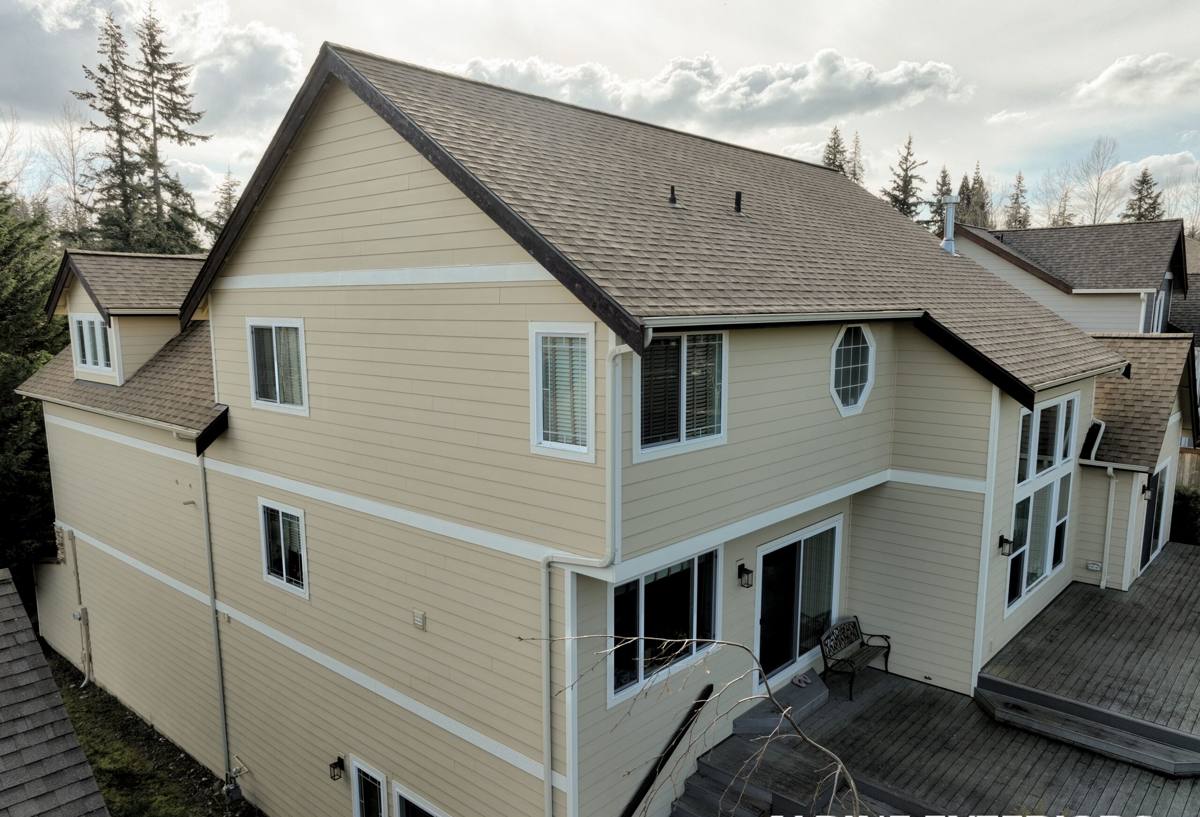
What Temple Terrace's Climate Does to a Poorly Built Deck
Central Florida weather is hard on any exterior structure, but decks take a particular kind of abuse because they're horizontal, exposed on all sides, and often sit low to the ground where moisture lingers.
Sun and UV Exposure
Florida's UV index runs high for most of the year. Wood decking that isn't properly finished and maintained will gray, crack, and split from sun exposure alone, long before rot becomes the main issue. Composite and PVC products handle UV differently depending on the manufacturer, and some lower-grade composites will fade or chalk over time.
Wind-Driven Rain and Humidity
Afternoon storms in this part of Florida don't just fall straight down — wind pushes rain sideways and underneath structures, which means the underside of a deck, the ledger board connection to the house, and any end-grain cuts take on moisture that a purely "top-down" waterproofing approach misses. Combined with Tampa's humidity, that moisture doesn't dry out quickly, which is exactly the condition that rot, mold, and fastener corrosion need to take hold.
Hurricane and High-Wind Events
Hillsborough County sees tropical systems and occasional hurricane-force winds. A deck's structural connections — how it attaches to the house, how posts are anchored to footings, how railing is fastened — matter far more here than in a climate that never sees sustained high wind. Under-built framing or undersized fasteners are a real liability risk during storm season, not just a code technicality.
Salt Air
Temple Terrace sits inland from Tampa Bay, but salt-laden air still moves through the region and accelerates corrosion on metal fasteners, brackets, and railing hardware over time. Hardware rated for coastal or corrosive environments is cheap insurance against premature failure.
Choosing the Right Decking Material for This Area
There's no single "best" decking material — the right choice depends on budget, how much upkeep you want to do, and how the deck will be used. Here's an honest comparison for a Hillsborough County climate:
| Material | How It Handles This Climate | Maintenance | General Cost Position |
|---|---|---|---|
| Pressure-treated wood | Affordable and workable, but needs sealing and vigilance against sun and moisture damage | Annual or biannual sealing/staining recommended | Lowest upfront cost |
| Composite decking | Resists rot and doesn't need sealing; quality varies a lot by brand and product line | Occasional washing; no sealing or staining | Mid to upper-mid range |
| PVC/capped decking | Best moisture resistance of the common options; performs well in humid, wet climates | Low — mostly just cleaning | Highest upfront cost |
| Tropical hardwoods (e.g., ipe) | Naturally dense and weather-resistant, but installation is demanding and unforgiving of shortcuts | Periodic oiling to maintain color, otherwise durable | High cost, specialty installation |
We won't push a single product on every homeowner. What we will do is walk through the trade-offs honestly — including the maintenance burden you're signing up for with wood, and the fact that not all composite or PVC products are installed the same way or come with the same warranty structure. A product that's a great fit for a shaded backyard deck may not be the right call for a deck that bakes in full Florida sun most of the day.
What a Correctly Built Deck Actually Involves
A deck that looks finished on top can still be built wrong underneath, and the underneath is what determines whether it's still solid in ten years. The details that matter most in this climate:
- Proper footing depth and sizing for the local soil, sized for the actual load the deck will carry
- A ledger board attached to the house with correct flashing so water is directed away from the structure, not trapped behind it
- Corrosion-resistant fasteners and structural hardware rated for exterior and coastal-adjacent use
- Joist spacing appropriate to the decking material chosen — composite and wood often have different span requirements
- Post bases that keep wood off standing water and away from direct soil contact
- Railing and guard systems fastened to resist wind load, not just foot traffic
- Ventilation underneath the deck so moisture doesn't sit and stagnate between storms
Skipping or shortcutting any one of these tends to show up as a specific, predictable problem later — usually within a few years in a climate like Tampa's, not decades.
Our Custom Deck Process
1. On-Site Consultation
We look at the space, talk through how you actually plan to use it, and assess site conditions — grade, drainage, sun exposure, and how the deck will tie into the house.
2. Design and Material Selection
We help you weigh material options against budget and maintenance preferences, and design the layout, railing style, and any features like built-in seating or multi-level sections.
3. Permitting
Deck projects in this area typically require a permit, and we handle that process as part of the job rather than leaving it to the homeowner.
4. Construction
Framing and structural work happen first and get inspected before decking goes down, followed by decking, railing, and finish details.
5. Final Walkthrough
We go over the finished deck with you, cover any material-specific care instructions, and make sure everything is buttoned up before we consider the job done.
Permits and Building Requirements
Most deck construction and deck replacement projects in Temple Terrace and the surrounding Hillsborough County area require a building permit, and inspections are typically required at the framing stage and again at completion. Requirements can vary based on deck height, size, and whether it's attached to the house, so we confirm current requirements for your specific project rather than assuming. Skipping permitting on a deck isn't just a paperwork risk — it can create real problems if you ever sell the home or file an insurance claim after storm damage.
Common Problems We See on Existing Decks in This Area
A lot of our deck work in Temple Terrace isn't new construction — it's repair, rebuild, or replacement of a deck that wasn't built for this climate to begin with. The patterns repeat:
- Ledger boards separating from the house due to missing or failed flashing
- Wood decking that was never sealed, now cracked, splintering, or graying badly
- Rusted or corroded fasteners leaving stains and weakening connections
- Soft or spongy spots from trapped moisture and rot in framing
- Railing that flexes or feels loose — usually a sign of undersized or failing fasteners
If any of that sounds familiar, it's usually worth having someone look at the structure before deciding whether it's a repair or a full rebuild — some of these issues are fixable in isolation, others indicate the whole deck was under-built from the start.
Maintenance That Actually Matters Here
Whatever material you choose, a little consistent maintenance goes a long way in this climate. For wood, that means sealing or staining on a regular schedule rather than waiting until it visibly needs it. For composite and PVC, it mostly means periodic washing to keep pollen, mildew, and organic buildup from taking hold — Tampa's humidity makes that buildup happen faster than in drier regions. For all materials, it's worth doing a yearly check of fasteners, railing stability, and the ledger board connection, especially after hurricane season.
Why Local Experience Matters for This Project
A deck contractor who mostly works in a different climate — or who treats every job the same regardless of location — is more likely to miss the details that matter specifically for Temple Terrace and the greater Tampa area: how to detail flashing against wind-driven rain, which fasteners actually hold up against salt air over years rather than months, and what local permitting and inspection actually require in practice. A crew that already works in this area knows the county's process, has already seen how different materials perform after a few Florida summers, and isn't guessing about what "durable" means here.
What to Look for When Hiring a Deck Contractor
- Experience specifically with decks in Florida's climate, not just general carpentry
- A clear explanation of footing, framing, and fastener choices — not just the visible decking material
- Willingness to handle permitting and inspections as part of the project
- Straight answers about maintenance requirements for the material you're considering
- A written scope of work before construction starts
If you're planning a new custom deck or need an honest assessment of one that's already showing its age, we're happy to take a look and talk through your options. Reach out for a free, no-pressure estimate using the form below.